What is SEO?
Search Engine Optimization (SEO) is the process of improving a website, so it appears higher in search engine results like Google. Done correctly, SEO brings consistent free traffic, more leads, and long‑term brand authority.
How Search Engines Work
Search engines follow three main steps: crawling, indexing, and ranking. Bots scan web pages, store them in an index, and algorithms then decide which page should appear for each keyword based on many signals.
Main Types of SEO
1. On‑Page SEO
On‑page SEO covers everything you control on your pages, such as titles, headings, content, URLs, internal links, and image alt text. These elements help search engines understand your topic and show how useful the page is for users.
2. Off‑Page SEO
Off‑page SEO focuses on backlinks and authority, earned from other reputable websites linking to your content. Natural, relevant links strengthen trust, while spammy or paid links can cause penalties.
3. Technical SEO
Technical SEO improves the backend structure: fast loading speed, mobile‑friendly design, HTTPS security, clean code, sitemaps, and robots.txt. Without solid technical foundations, even great content may struggle to rank.
4. Local SEO
Local SEO helps businesses appear for location‑based searches by optimizing Google Business Profile, local citations, and reviews. This is essential for shops, clinics, and services targeting nearby customers.
Why SEO Matters
SEO delivers organic traffic that doesn’t stop when your ad budget ends. Because most clicks go to first‑page results—and especially the top 3 positions—better rankings directly increase visibility and revenue.
Keyword Research Basics
Keyword research finds what people are searching for, how often, and how competitive those terms are. Tools like Google Keyword Planner, Ahrefs, SEMrush, and Ubersuggest help you choose relevant, long‑tail keywords with clear search intent.
Creating SEO‑Friendly Content
Google now prioritizes helpful, people‑first content that answers real questions in depth. Long‑form, well‑structured articles with original insights outperform thin, copied, or auto‑generated content, which can trigger low‑value content issues.
On‑Page SEO Checklist
Include the main keyword in the title, H1, URL, and early in the introduction. Write a compelling meta description, use clear H2/H3 headings, add 3–5 internal links per 1,000 words, 1–2 authoritative external links, and optimized, compressed images with descriptive alt text.
Link Building Strategies
Safe methods include guest posting on relevant blogs, creating link‑worthy resources, using broken‑link outreach, and running digital PR campaigns. Avoid automated spam, link farms, and low‑quality paid links that violate Google’s guidelines.
Common SEO Mistakes to Avoid
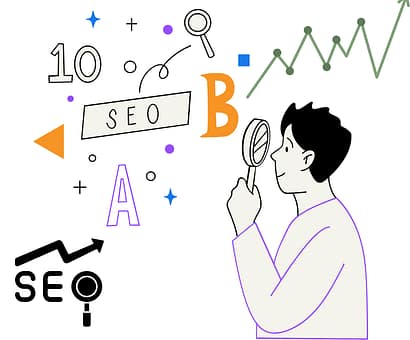
Avoid keyword stuffing, duplicate content, thin or purely auto‑generated pages, non‑responsive design, and ignoring analytics. These mistakes hurt user experience and can prevent pages from ranking well.
Measuring SEO Performance
Use Google Search Console to track queries, impressions, clicks, average position, and indexing issues. Use Google Analytics to monitor traffic sources, bounce rate, engagement, and conversions so you can see what to improve.
Simple SEO Plan for Beginners
Start with a niche and 20–25 topics, do keyword research for each, and write 1,500–2,500-word helpful guides. Set up fast hosting, SSL, sitemap, and Search Console, then optimize every post, build internal links, promote on social media, and review performance monthly to update and improve content over time.
Final Tips for SEO Beginners
For beginners, the most important thing is consistency rather than perfection. Even if you publish just one well‑optimized article every week, your website will gradually build authority and start ranking for more keywords over time.
As your site grows, you can refine your keyword research, improve old content, and experiment with advanced techniques like schema markup, content clusters, and A/B testing of titles and meta descriptions. These small optimizations compound over months and can significantly increase your organic traffic and earnings.
Ultimately, SEO is a long‑term game: results rarely come overnight, but if you keep creating helpful content, follow Google’s guidelines, and track your performance, your site can become a strong source of stable, passive traffic.
Keep Improving Step by Step
As you keep learning, try to focus on one improvement at a time—this week you might work on faster page speed, next week you can refine old titles and meta descriptions, and later you can start guest posting for quality backlinks. Over a few months, these steady improvements will clearly separate your site from competitors who publish content randomly without any clear SEO plan.
Turn SEO Into a Real Asset
Over time, you will also start to understand which SEO activities give you the highest return on effort. For some sites, publishing in‑depth blog posts and optimizing them properly drives the most growth, while for others, building strong topical clusters and earning a few high‑authority backlinks makes the biggest difference. By regularly checking Google Search Console and Analytics, you can see which pages get impressions but low clicks, which keywords are close to the first page, and which articles bring the most conversions or email sign‑ups. This data helps you make smarter decisions instead of guessing, so you can double down on what works and stop wasting time on tactics that do not move the needle.
When you look back after six to twelve months, you’ll see that these steady, data‑derived SEO efforts have transformed your website from a simple blog into a real digital asset. Instead of relying only on paid ads or social media algorithms, you will have a stable stream of visitors coming from Google every day, searching for exactly the topics you cover. That is the true power of SEO: it silently works in the background, bringing you traffic, leads, and opportunities long after you hit publish—as long as you stay patient, keep learning, and continue improving your content step by step.
Why Learning SEO Is Worth It
For many beginners, SEO feels confusing and technical at first, but once you start applying it on your own website it gradually turns into a practical and even enjoyable skill. You begin to see clear connections between the changes you make—like improving page speed, rewriting weak introductions, or adding strong internal links—and the results you notice in your traffic and rankings. Every small win, such as a page moving from page two to page one or a new long‑tail keyword starting to bring visitors, shows you that your effort is not being wasted and keeps you motivated to continue.
This process steadily builds your confidence and helps you create a more disciplined content plan, making your entire site look more professional and user‑friendly.
As you progress, SEO stops being just a “way to get traffic” and becomes a complete system that connects research, content writing, on‑page optimization, link building, and performance tracking. You start to understand which topics are evergreen, which posts should be updated regularly, and which types of articles bring the most leads, sales, or email subscribers to your business. With this data, you can refine your whole content strategy so that you get better results even while publishing fewer but higher‑quality articles. Over time, you rely less on paid ads or unpredictable social media reach and instead build a stable base of organic traffic that supports your online business for months and years to come.
visit my blog page